



Will your equipment and crews be ready when the next call comes in?

Track apparatus, gear, and inventory
Automate rig checks and inspections
Monitor equipment maintenance
Stay ISO and accreditation compliant
Complete Visibility
Track, issue, and get ahead of every equipment need across every station, from SCBA and turnout gear to radios and consumables, with automated alerts before anything reaches a deadline, runs low, or goes out of service.
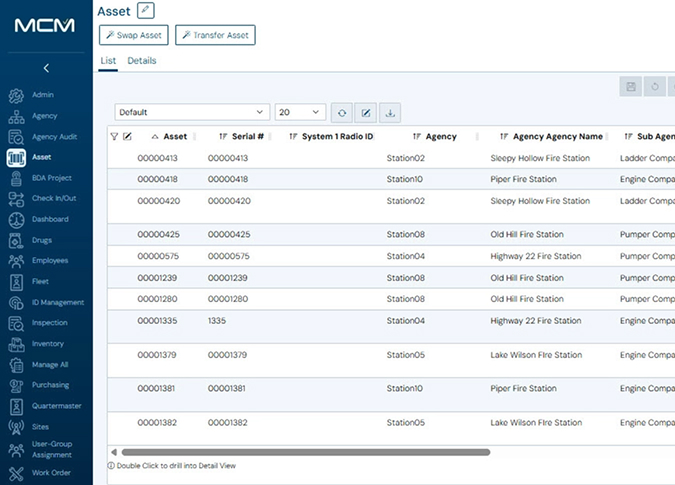
Alarm-Ready Crews
Automate rig checks, inspection schedules, and certification tracking with proactive alerts for lapses and the ability to search and update records from any device.
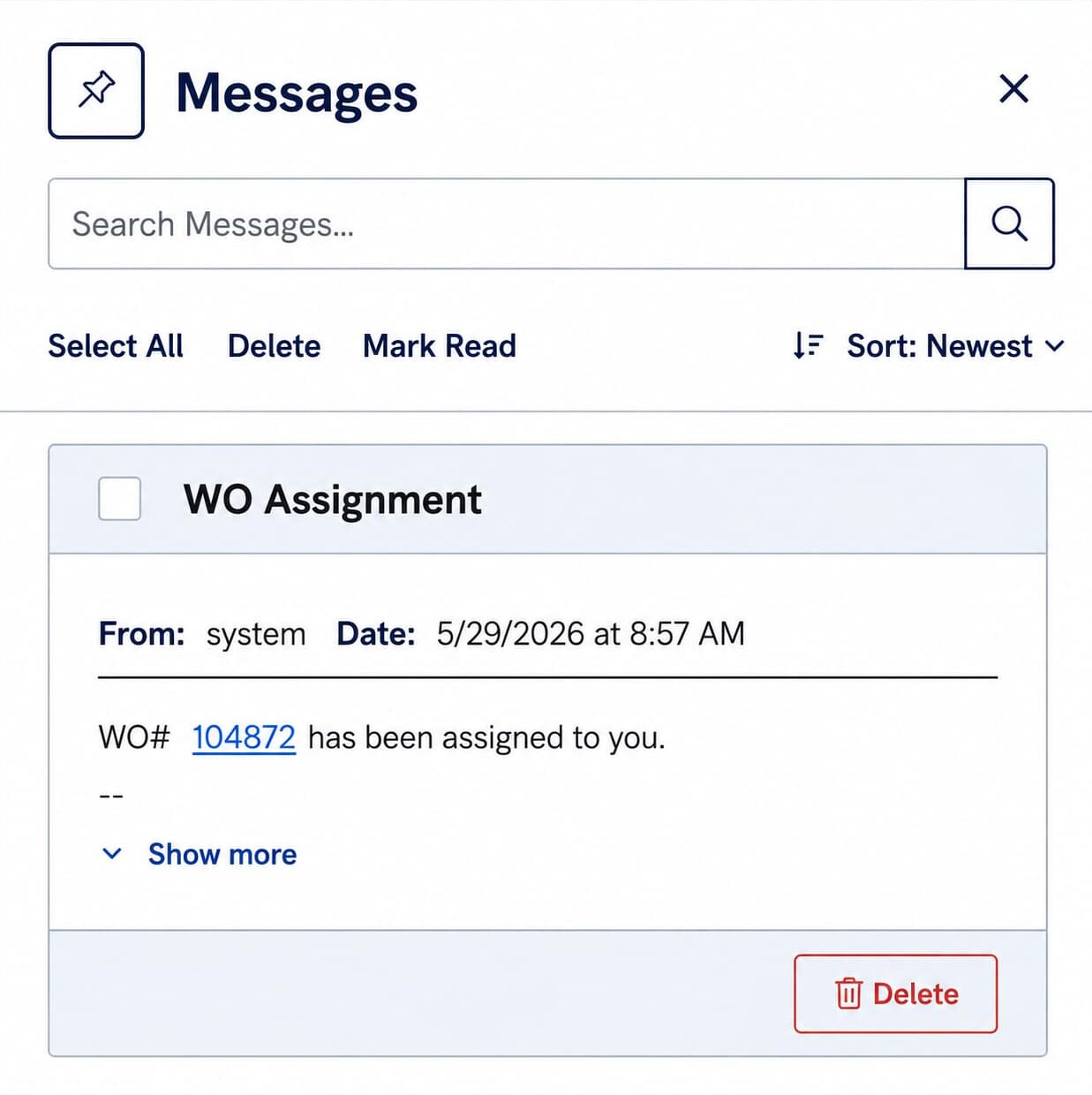
Audit-Ready Data
Stay audit-ready for ISO reviews, accreditation visits, and post-incident investigations with grant documentation tied to specific assets so every federal dollar is fully recoverable and defensible.
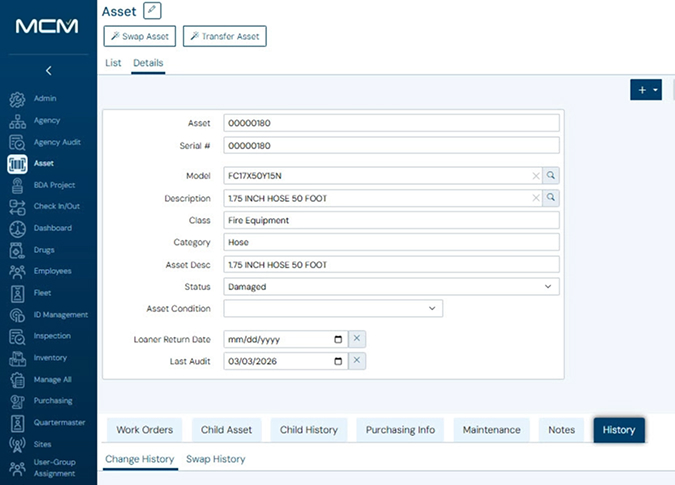

Real-Time Dashboards
Configurable visibility into apparatus readiness, crew certifications, and compliance status across every station

Seamless Integrations
Connects to systems your agency already relies on including radio systems, Workday and back-office platforms

AI-Enabled Workflows
Inspection schedules, apparatus maintenance alerts and compliance tracking

Role-Based Access and Views
Company officers, technicians and administrators only see what they need – simplifying operations and training
Frequently Asked Questions
Answers to Common Questions
Everything you need to know about MCM Technology and our fire department asset management software.

Still have questions?
Our team is here to help you find the right solution for your agency.
MCM can track a wide range of fire service assets and inventory, including apparatus, SCBA, turnout gear, radios, tools, medical equipment, consumable supplies, and other mission-critical resources. Departments can maintain detailed records for each asset, including assignment, location, inspection history, maintenance activity, condition, and other agency-specific information.
Yes. MCM helps departments track serialized and issued equipment throughout its lifecycle, including who received it, where it is assigned, when it was inspected, and when maintenance or replacement may be due. This gives departments clearer accountability for high-value and safety-critical items such as SCBA, turnout gear, radios, and other firefighter-issued equipment.
MCM can automate inspection schedules and rig checks so departments can consistently verify that apparatus and onboard equipment are ready for service. Inspection records can be updated from any device, and issues identified during an inspection can be tied directly to maintenance or follow-up workflows instead of being lost in paper forms or disconnected spreadsheets.
Yes. MCM centralizes inspection, maintenance, equipment, certification, and historical records so departments can quickly retrieve documentation during ISO reviews, accreditation visits, audits, or post-incident investigations. Automated schedules and complete asset histories also help departments maintain accurate records throughout the year instead of rebuilding them when a review is approaching.
MCM helps departments proactively track inspections, preventive maintenance, equipment condition, expiration dates, and other service requirements. Automated alerts can flag upcoming deadlines, maintenance needs, low inventory, or equipment that may require attention before it creates a readiness issue.
Yes. MCM provides centralized visibility across stations, apparatus, personnel, and storage locations, allowing departments to see where equipment is assigned and what inventory is available across the organization. This makes it easier to manage transfers, reduce unnecessary purchases, identify shortages, and maintain consistent accountability across multiple facilities.
Yes. MCM is designed to integrate with systems already used by public safety agencies, including radio systems, Workday, and other back-office platforms. This allows departments to connect asset, inventory, maintenance, and communications data rather than maintaining separate records in multiple systems.
300+
Agencies Served
20+ Years
Public Safety Expertise
2.5 Million
Assets Tracked
Featured Posts

The next audit, investigation, or incident won’t wait.
Neither should your readiness.