



Workplace safety encompasses strategies, systems, and practices to ensure the health, well-being, and operational readiness of personnel working in high-risk environments. Public safety is about as high risk as it gets, making workplace safety a top priority.
MCM‘s asset, inventory and work order management software solutions tackle safety challenges head on, creating safer work environments and operations. Here are some of the ways we improve workplace safety.
Deploying the Right Equipment
Having the right gear during emergencies makes all the difference. MCM’s software helps identify the right assets for any incident, quickly locate those assets, and confirm that the equipment is compatible with other gear at the site. Responding to an electric car fire? Make sure you send the retardant tarp. Dealing with extreme winter weather? Make sure it’s not too cold for your hydraulic tools. When agencies can make informed decisions about what’s needed in the field, unnecessary risks are avoided, and when you know who has what equipment where, you can deploy the right assets more efficiently.
Keeping Equipment Ready
It’s not enough to have the right equipment; you have to be sure it’s going to work. A compromised vest or a faulty firearm in circulation puts team members’ lives at risk. MCM’s software helps ensure that every piece of equipment is ready for use and that gear due for service is returned. Automated alerts keep preventive maintenance on schedule. Integrated inspection checklists ensure that equipment can perform as expected. Inventory management helps locate supplies, parts, and tools quickly for fast service and repair. Reliable equipment is key to on-the-job safety.
Capturing Historic Data Insights
Timely, well-tracked issue resolution is critical to improving workplace safety. MCM’s work order ticketing system streamlines service and repair, from the initial request through restocking the parts used. By capturing detailed service histories, agencies can identify problematic trends—like specific models requiring frequent service—and implement preventive measures. Detailed records also reduce loss of loaner equipment and multi-agency used items, so your team can access its full arsenal of tools in a challenging event.
Clear Communication, Better Coordination
Effective communication is the backbone of workplace safety. MCM offers the only asset, inventory, and work order management software that can integrate with public safety radio systems, ensuring agencies can maintain clear and reliable communication during high-stakes situations. Configuration management features track IDs and aliases across multiple systems, preventing duplication and fostering faster, better coordination during a multi-agency response. BDA/DAS tracking helps ensure that signal boosters are working in challenging environments. The more first responders can work together, the safer they are.
Fostering a Safer Work Environment for Public Safety Agencies
Workplace safety hinges on dependable equipment, clear communication, and proactive risk management. MCM’s software strengthens these critical areas, making it an indispensable tool for fostering a safer work environment.
Safety isn’t just a priority—it’s a responsibility. Contact us today to see a demo of how MCM can help.
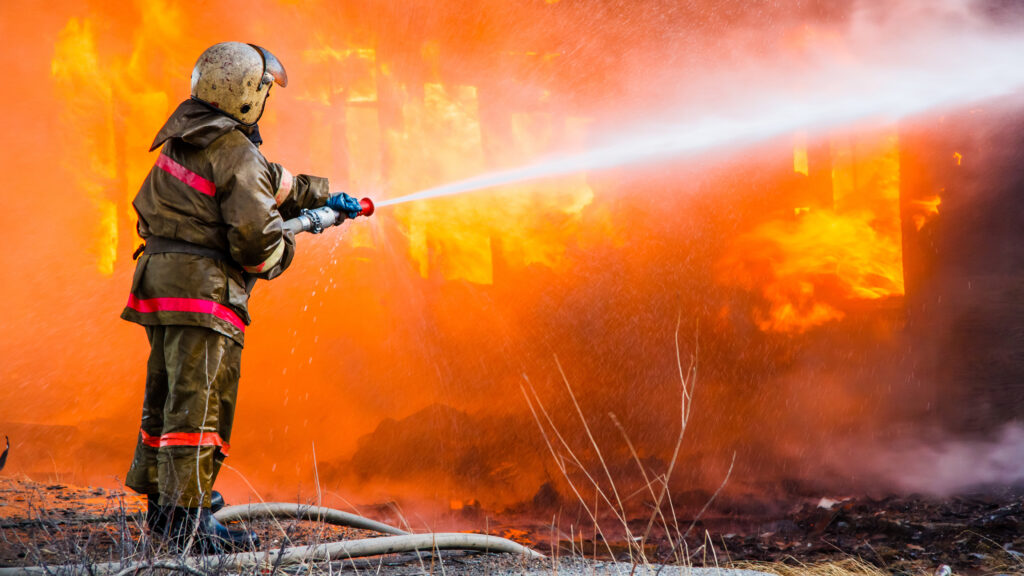
In order to do their job safely, firefighters need everything to work. Inspections are a vital part of making sure it will.
Here’s how MCM’s inspection module helps fire departments ensure their equipment, gear, facilities, vehicles, sites, and more are ready for the job.
Equipment Inspections
Different types of equipment and gear require different types of inspections at different times to minimize the risk of malfunction. For example, the National Fire Protection Association (NFPA) 1851 standard requires advanced inspections of all turnout gear at least once a year and cleanings at least twice a year, and if the gear is used in a fire incident, it must be inspected and properly cleaned afterwards. NFPA 1851 also emphasizes the fire department’s responsibility to document these cleanings. With hundreds of pieces of equipment and gear—and helmets, hoses, gas masks, and extinguishers are just the tip of the iceberg—performing inspections and following compliance guidelines can be a beast.
MCM’s inspection module allows fire departments to create unlimited inspection templates, each fully customizable to meet the needs of various pieces of equipment and gear. Multiple users can conduct inspections using mobile devices, making it easy to perform and document each inspection. Automated alerts prevent inspections from slipping through the cracks, helping to ensure that all equipment and gear is in working condition and following recommended guidelines.
Facility Inspections
Fire departments often manage multiple firehouses, training centers, and storage areas. Facility inspections identify potential hazards in these spaces, helping to comply with safety regulations and ensuring that all the needed inventory is in stock. Fire departments also inspect local businesses and government spaces in search of potential fire risks, safety hazards, and other code violations to help prevent loss of life and property. Photo proof is often needed to support inspection findings. Un-editable date stamps and manual signatures also need to be captured.
MCM’s inspection tool offers a centralized system providing a comprehensive view of the department’s locations and buildings, making it easy to coordinate building maintenance and improvements. For inspections of public locations and businesses, the application makes it easy to track assessments over time and to document their findings, including attaching photos and documents to the inspection record, automatically date stamping, and capturing electronic signatures. It also stores inspection records in a way that can be easily searched, filtered and exported to demonstrate historic compliance or lack thereof.
Vehicle Inspections
In addition to different types of engines, ambulances and other emergency vehicles requiring different inspections, a single vehicle inspection requires various assessments. Exterior assessments (looking for dents, seeing if doors open and close) differ from interior tasks (mirror and seat adjustments) which differ from operational checks (lights, siren, and air brakes). Vehicle-specific data such as tire pressure, mileage, and fuel levels need to be entered rather than simply checked “yes” or “no.” Inventory lists also change based on variables such as time of year.
Another aspect of vehicle inspection is maintenance tracking. If reactive maintenance changes the date that the next inspection is needed, then records should adjust accordingly. If something is discovered during an inspection that requires service, then requesting, facilitating and documenting the work should be seamless without having to manually update multiple records.
Customizable inspection templates let fire departments identify which items can be checked off in bulk, which require type-in detail, and which actions are required vs. optional, supporting the wide range of elements needed for vehicle checks. With instant access to data, fire departments can reliably identify which vehicle will work as a stand-in when another is taken out of service. By integrating inspections and asset management, records are automatically updated according to inspection activity. By integrating inspections and work orders, an inspection that leads to reactive maintenance can create and track a service ticket through resolution.
Communications Infrastructure Inspections
Firefighters’ ability to communicate with each other can be a matter of life and death. Site towers and portable radios are critical for emergency operations and require regular inspections to ensure uninterrupted connectivity. In addition to equipment integrity and signal strength, inspections of communications sites can include security system tests, road access checks (especially in winter), tower mapping, drone images, generator fuel levels, and many other types of information. Because radio communication is a vital part of emergency response, the ability to respond quickly and easily to these site findings is important.
MCM provides fire departments with a centralized location to manage all of their radio sites and equipment, providing comprehensive insight on the overall health of their communications infrastructure. Visual documentation can be attached during inspection, such as tower mapping files or pictures of snow piles or corrosion. Because MCM offers the only asset management solutions that can integrate with radio systems, the inclusion of a site-specific tracking module, along with the ability to properly inspect those sites, further enhances MCM as a one-stop shop for communications operations.
Safety Is King… But There Are Other Benefits, too!
Thorough inspections are non-negotiable for ensuring the safety of firefighters and the communities they serve. Yet, there are many other gains for fire departments who use MCM’s inspection module.
- Save time for team members performing inspections
- Save money by facilitating optimal use of resources
- Prevent missed deadlines or dropped follow-through with automated reminders
- Have instant access to data rather than waiting for forms to be submitted
- Capture robust information for audits, decision-making and budget planning
- Improve accountability by identifying exactly who cleared what for use and when
- Improve inspection thoroughness by disallowing an inspection from being closed before all necessary checks and information are input
- And so much more!
Fire departments rely on projected resource lifespans to manage operations year-to-year. Firefighters depend on these resources to carry out their duties safely and efficiently. MCM’s streamlined method of managing equipment, facility, vehicle, and site inspections with unparalleled efficiency and accuracy allows fire departments to uphold the highest standards of safety and preparedness, and to do so with ease.
Learn more about MCM‘s inspection module
See what the inspection module looks like for your fire department—schedule a demo today!